
Cleaning Myths vs. Truths: What Really Works at Home
Misinformation spreads fast, especially cleaning hacks. We separate fact from fiction on 10 common myths so you can clean smarter, not harder.
1. Myth: Vinegar Cleans Everything

The Claim: White vinegar is a miracle cleaner for every surface.
The Truth: Vinegar can damage granite, marble, and some hardwood finishes, and lacks disinfecting power.
Better Use: Use on glass, kettles, and fixtures; avoid natural stone and germ control.
2. Myth: Bleach Cleans Everything
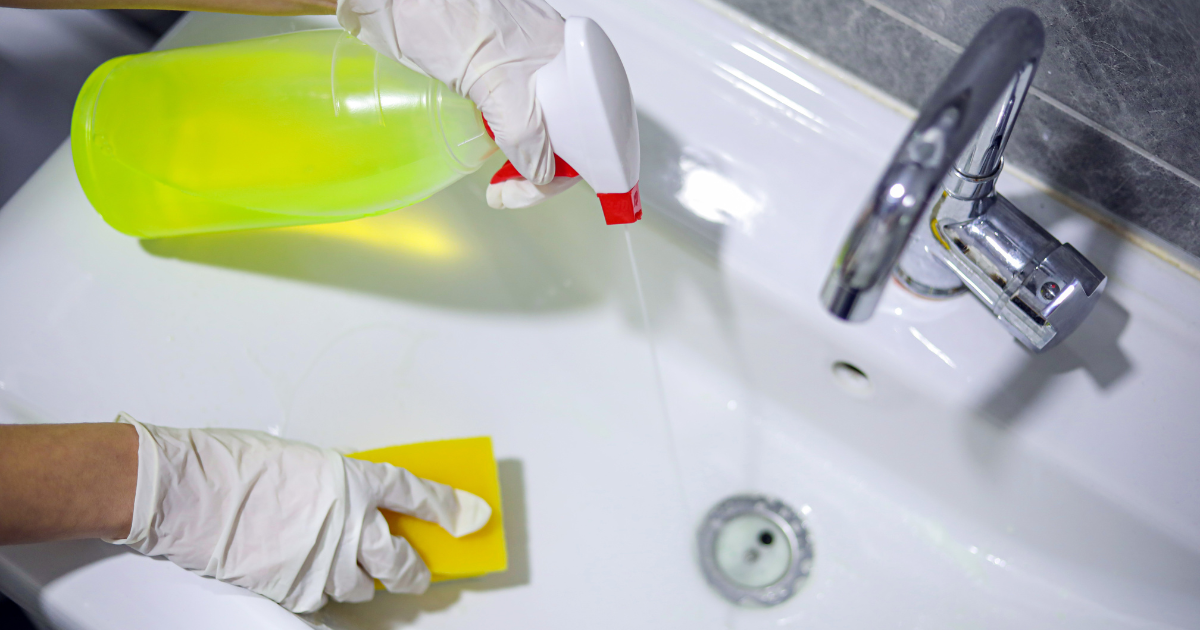
The Claim: Bleach is the ultimate cleaner.
The Truth: Bleach disinfects but won’t clean dirt; it can damage fabrics and metals.
Better Use: Clean with soap first, then disinfect; never mix with ammonia or vinegar.
3. Myth: Cleaning = Disinfecting
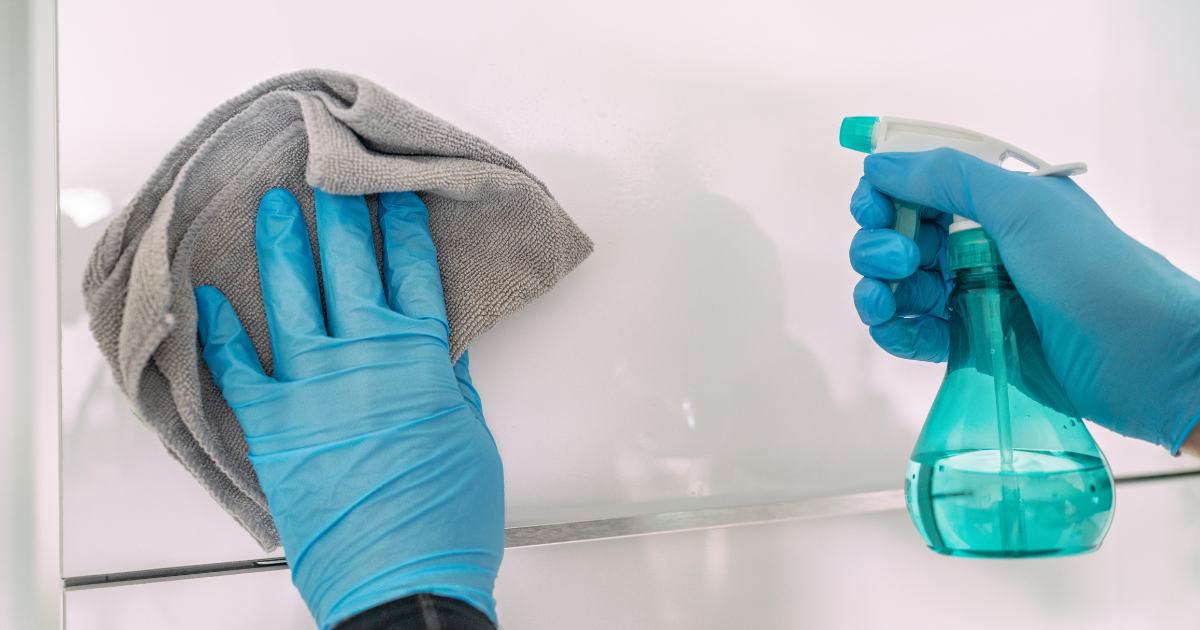
The Claim: A clean-looking surface is germ-free.
The Truth: Cleaning removes debris; disinfecting kills pathogens. Both are needed.
Better Practice: Soap and water first, then a disinfectant spray on high-touch areas.
4. Myth: More Product = Better Results
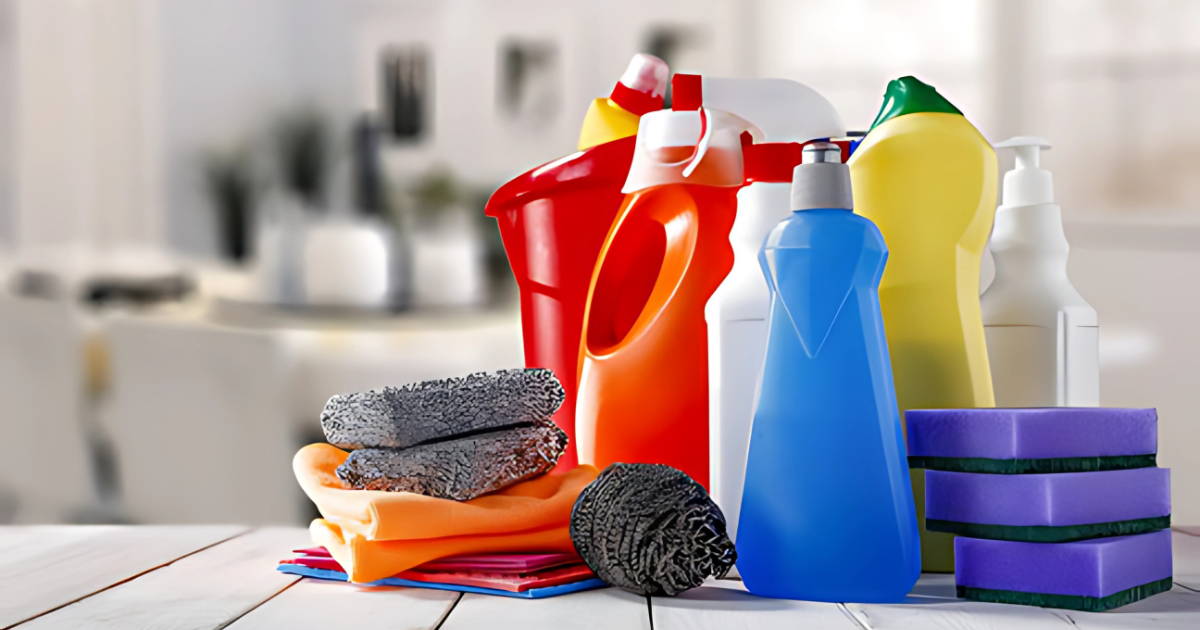
The Claim: Using extra cleaner ensures a better clean.
The Truth: Excess leads to streaks, sticky film, or damage. Follow label instructions.
Better Practice: Use the recommended amount; less is often more.
5. Myth: Newspaper is Best for Glass
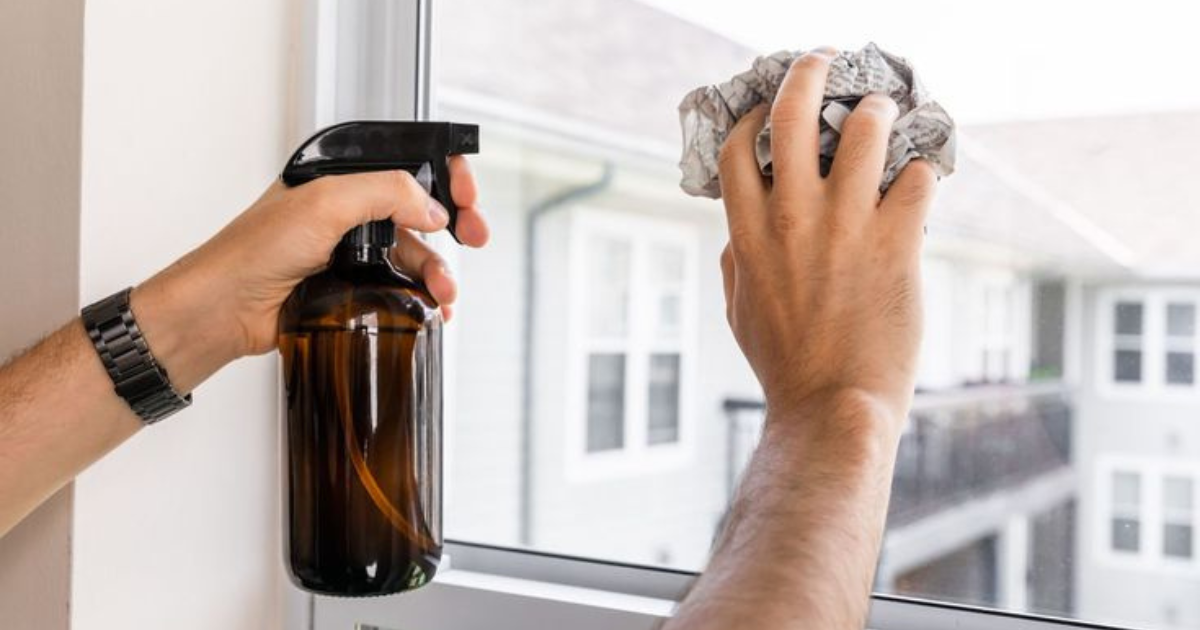
The Claim: Newspapers leave streak-free shine.
The Truth: Today’s soy-based inks can smear; paper can tear and leave lint.
Better Option: Microfiber cloth or squeegee with glass cleaner.
6. Myth: Weekly Polishing for Wood
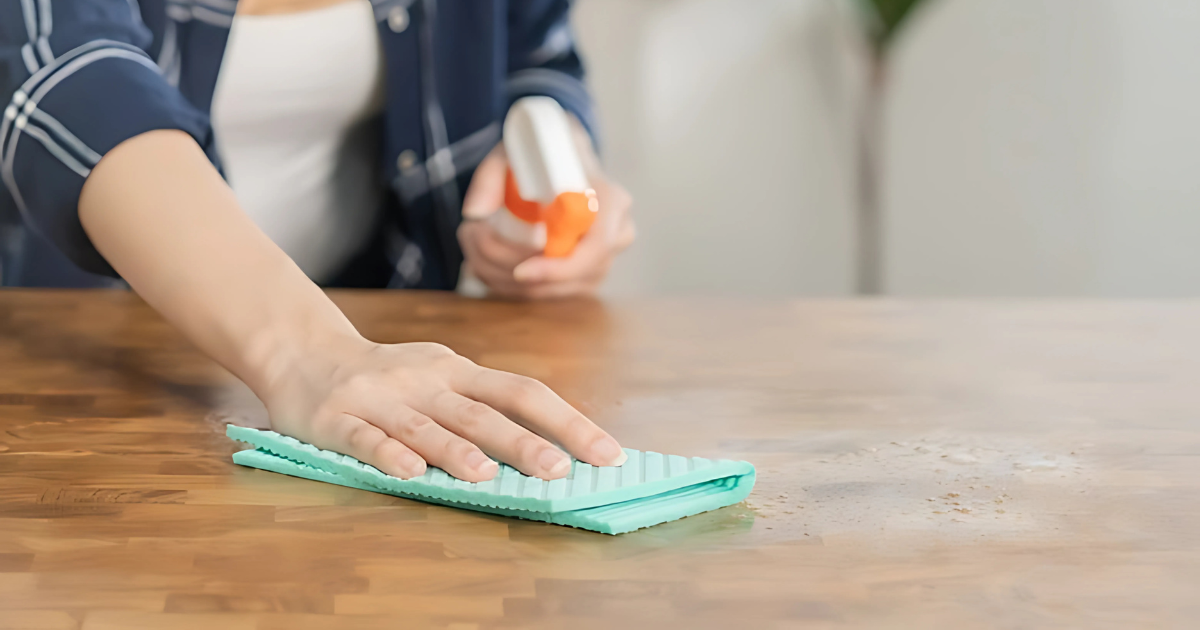
The Claim: Frequent polishing keeps wood at its best.
The Truth: Oils and silicones can attract dust and build up. Polish monthly or as needed.
Better Practice: Dust regularly; polish only when surfaces look dry or dull.
7. Myth: Air Fresheners Clean the Air
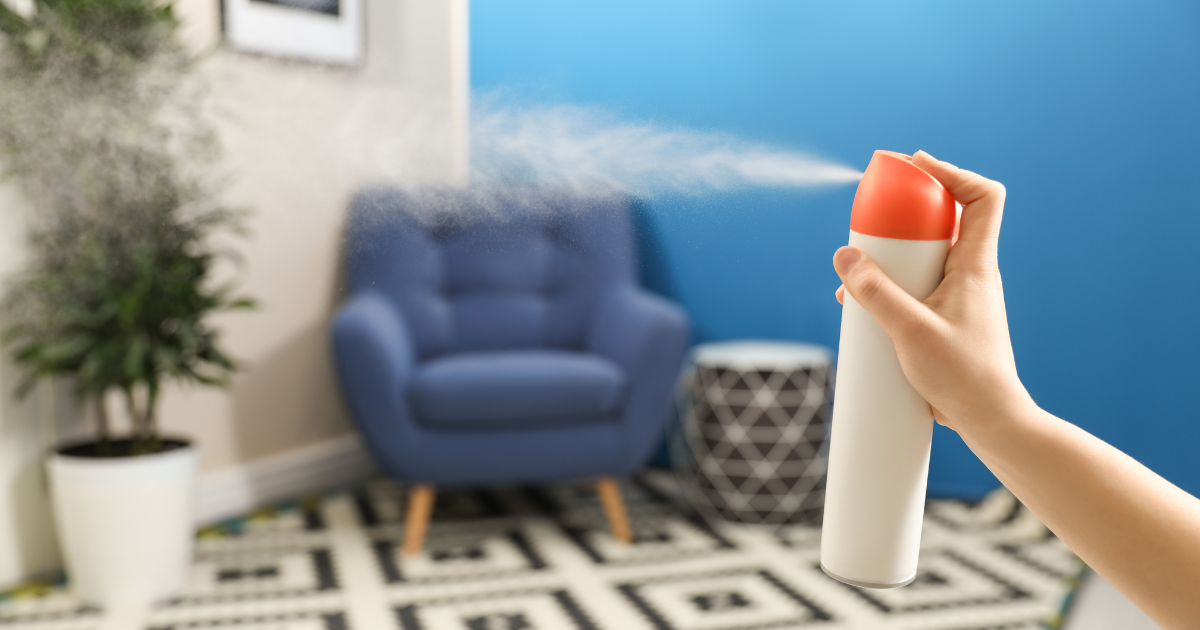
The Claim: Spraying air fresheners improves air quality.
The Truth: They cover smells with fragrances; some chemicals can irritate lungs.
Better Option: Ventilate spaces, use purifiers, or add air-purifying plants.
8. Myth: Drop-In Toilet Tablets Replace Scrubbing

The Claim: Tablets eliminate the need for manual scrubbing.
The Truth: They don’t reach under the rim or handle mineral stains; can harm internal parts.
Better Practice: Scrub weekly; use tablets as maintenance, not a substitute.
9. Myth: Hot Water Disinfects Better
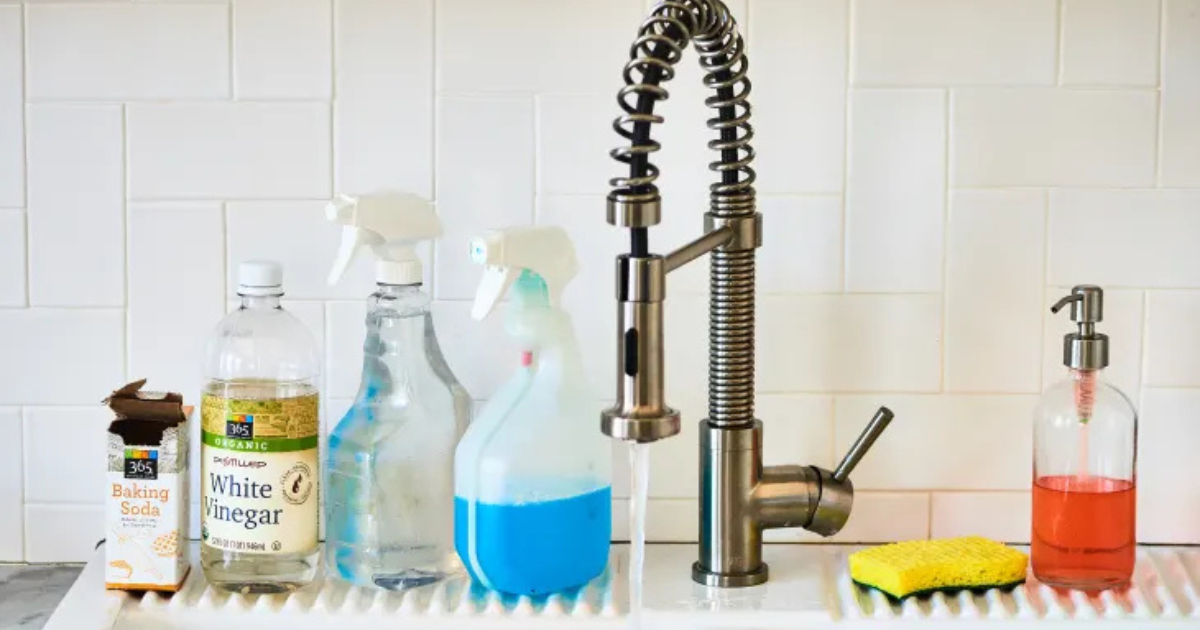
The Claim: Hot water naturally kills more germs.
The Truth: Effective disinfection depends on agents and contact time, not water temp below boiling.
Better Practice: Use proper disinfectants and allow recommended dwell times.
10. Myth: All “Green” Cleaners Are Safe
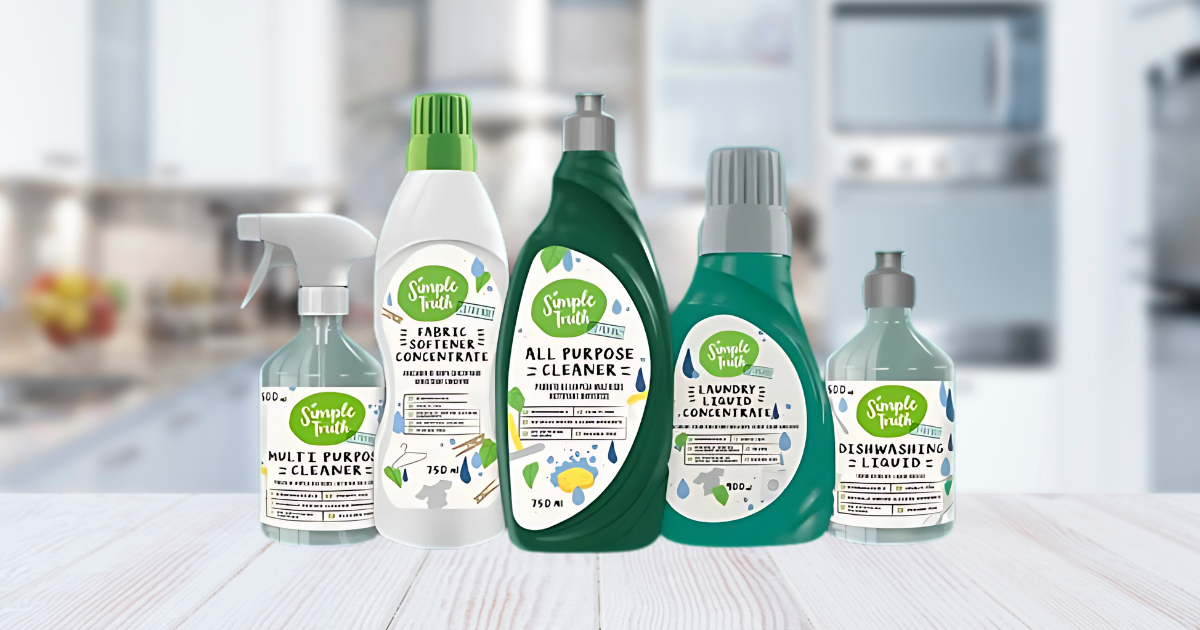
The Claim: Green-labeled products are non-toxic and safe.
The Truth: "Natural" isn’t regulated; some contain allergens or irritants.
Better Practice: Look for EPA Safer Choice or Green Seal certifications.
Final Thoughts
Clearing up these myths helps you choose the right products and practices. Stick to verified methods, read labels, and avoid trendy hacks without evidence. Smart cleaning is about knowledge, not guesswork.