
Cleaning Essentials Review: A Real-World Look at Everyday Household Cleaners
From quick touch-ups to weekend deep cleans, the right products can streamline household upkeep. With shelves full of choices, identifying the essentials can be overwhelming. This review covers five core types of cleaners—Daily Cleaning Spray, Disinfectant Spray, Glass Cleaner, Mopping Solution, and Abrasive Cleaners—to help you build an efficient routine.
1. Daily Cleaning Spray: Your Everyday Workhorse
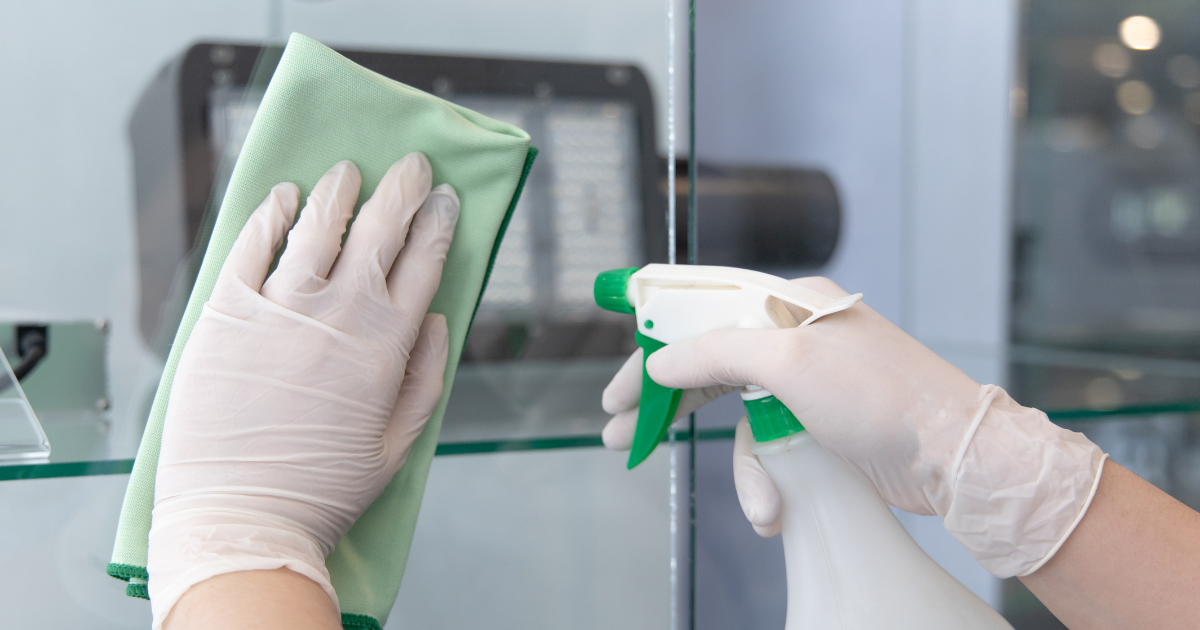
What It Is: A mild solution—store-bought or DIY—that cuts through dust, crumbs, and smudges.
Common Usage: Kitchen and bathroom counters, tabletops, light switch covers.
Popular Options:
- DIY: Water + a few drops of dish soap in a spray bottle
- Store-bought: Method, Mrs. Meyer’s, Seventh Generation
Pros:
- Quick and easy daily upkeep
- Gentle on most surfaces
- Affordable DIY customization
Cons:
- Not disinfecting—only cleans visible grime
- DIY mixes can streak if not balanced
Verdict: An indispensable staple for daily maintenance. The DIY version is eco-friendly and cost-effective; store brands add convenience and fragrance.
2. Disinfectant Spray: For When Clean Isn’t Enough
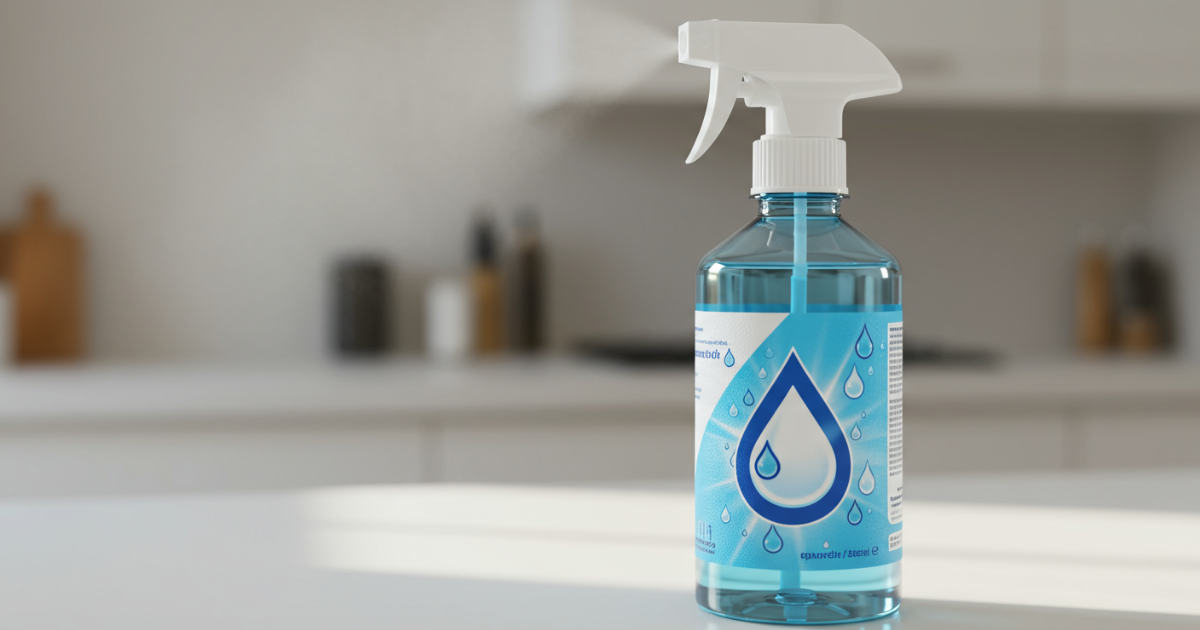
What It Is: Aerosol or trigger sprays formulated to kill germs on hard surfaces.
Common Usage: After handling raw meat, cleaning bathrooms, wiping doorknobs and remotes.
Popular Options: Lysol Disinfectant Spray; Clorox Disinfecting Mist; Seventh Generation Plant-Based Disinfectant.
Pros: Broad-spectrum germ kill; many require no wiping; available in various scents and formats.
Cons: Strong chemical odors; surface compatibility varies—always check labels.
Verdict: Essential for hygiene, especially in kitchens, bathrooms, and homes with pets or children. Use as a supplement to daily cleaners.
3. Glass Cleaning Spray: Crystal Clarity, Minus the Streaks
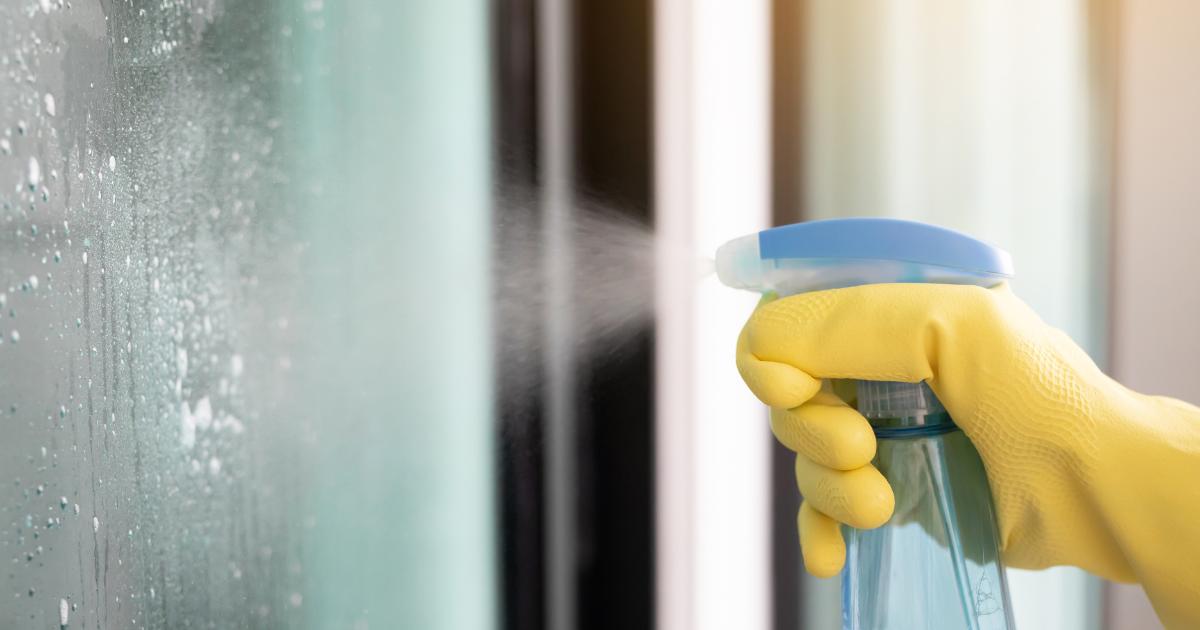
What It Is: Formulations designed to evaporate quickly without residue.
Common Usage: Mirrors, windows, glass tables, shower doors.
Popular Options: Windex; Sprayway; DIY white vinegar and water (1:1).
Pros: Superior shine; fast-drying; DIY vinegar is eco-friendly.
Cons: Vinegar scent; ammonia-based formulas can irritate.
Verdict: A non-negotiable for streak-free glass. Store options offer speed; DIY is budget-friendly and green.
4. Mopping Solution or Dish Soap: The Unsung Hero of Floor Care
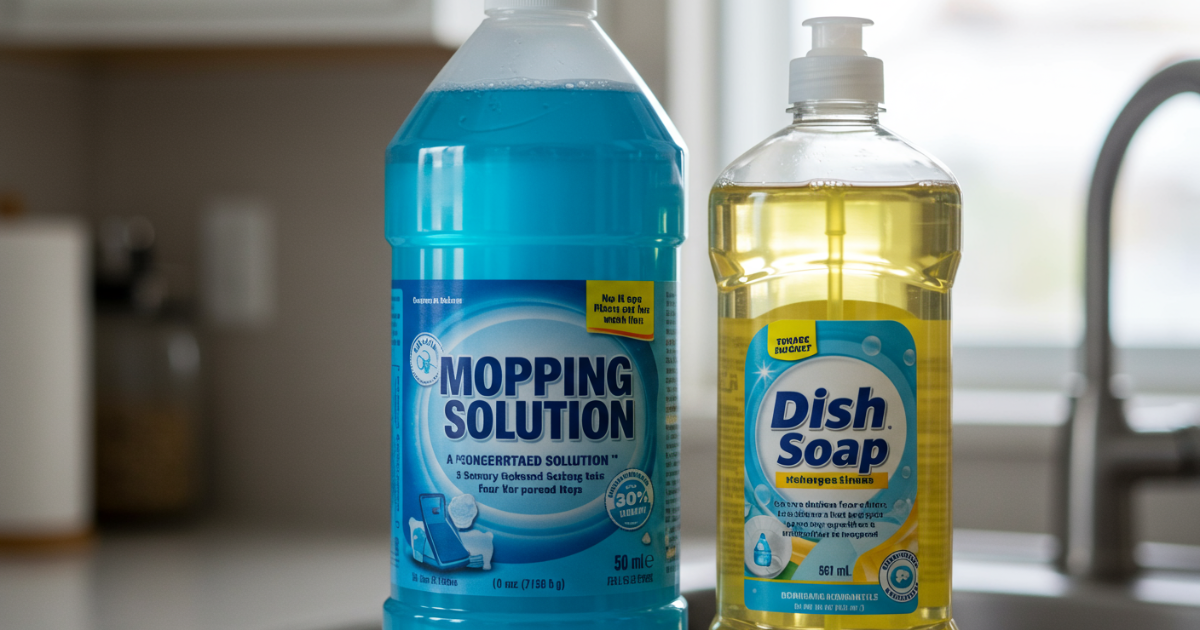
What It Is: Liquid floor cleaners or simple soap-and-water mixtures.
Common Usage: Hard surface floors—tile, vinyl, hardwood (use sparingly).
Popular Options: Bona Hardwood; Pine-Sol; DIY hot water + dish soap.
Pros: Effective on dirt and spills; many formulations are floor-specific.
Cons: Excess water can warp wood; soap residue if not rinsed.
Verdict: Keeps floors spotless. Choose products matched to your flooring and avoid over-wetting.
5. Abrasive Cleaners: Tackling the Tough Stuff
What It Is: Gritty pastes or powders that scour away stubborn stains.
Common Usage: Showers, bathtubs, sinks, stove grates, toilet bowls.
Popular Options: Bar Keepers Friend; Bon Ami; Soft Scrub.
Pros: Powerful on baked-on grime; often gentler than bleach.
Cons: Requires elbow grease; risk of scratching delicate surfaces.
Verdict: Your go-to for deep cleans. Test on inconspicuous spots to ensure surface safety.
Final Thoughts
These five essentials cover nearly every cleaning scenario. Use daily sprays for upkeep, disinfectants for germ control, glass cleaners for shine, mopping solutions for floors, and abrasive cleaners for deep grime. With this curated toolkit, you can keep your home hygienic and orderly without an overcrowded supply closet.