
Green Cleaning: Is It Really Better for Your Home and Health?
Green cleaning is marketed as a safer, healthier choice—but does it live up to the hype? This blog evaluates the benefits, drawbacks, and what to watch out for when choosing eco-friendly products or services.
What Is Green Cleaning?
Definition: Green cleaning uses environmentally friendly and health-conscious methods and products.
Product Characteristics:
- Biodegradable ingredients
- Low or no VOCs
- Non-toxic, plant-based formulas
- Recyclable or minimal packaging
- No artificial dyes or fragrances
How Green Products Differ from Traditional Cleaners
Formulation: Green = natural ingredients. Traditional = synthetics like bleach or ammonia.
Usage: Green products are gentler but may require more time/effort.
Impact: Green cleaners aim to minimize harm to the environment.
Health Benefits: Fact or Marketing?
The Claim: Green cleaners reduce irritation and improve indoor air.
Reality Check: Can help allergy/asthma sufferers—if truly fragrance-free and certified.
Environmental Impact: Real Reduction or Greenwashing?
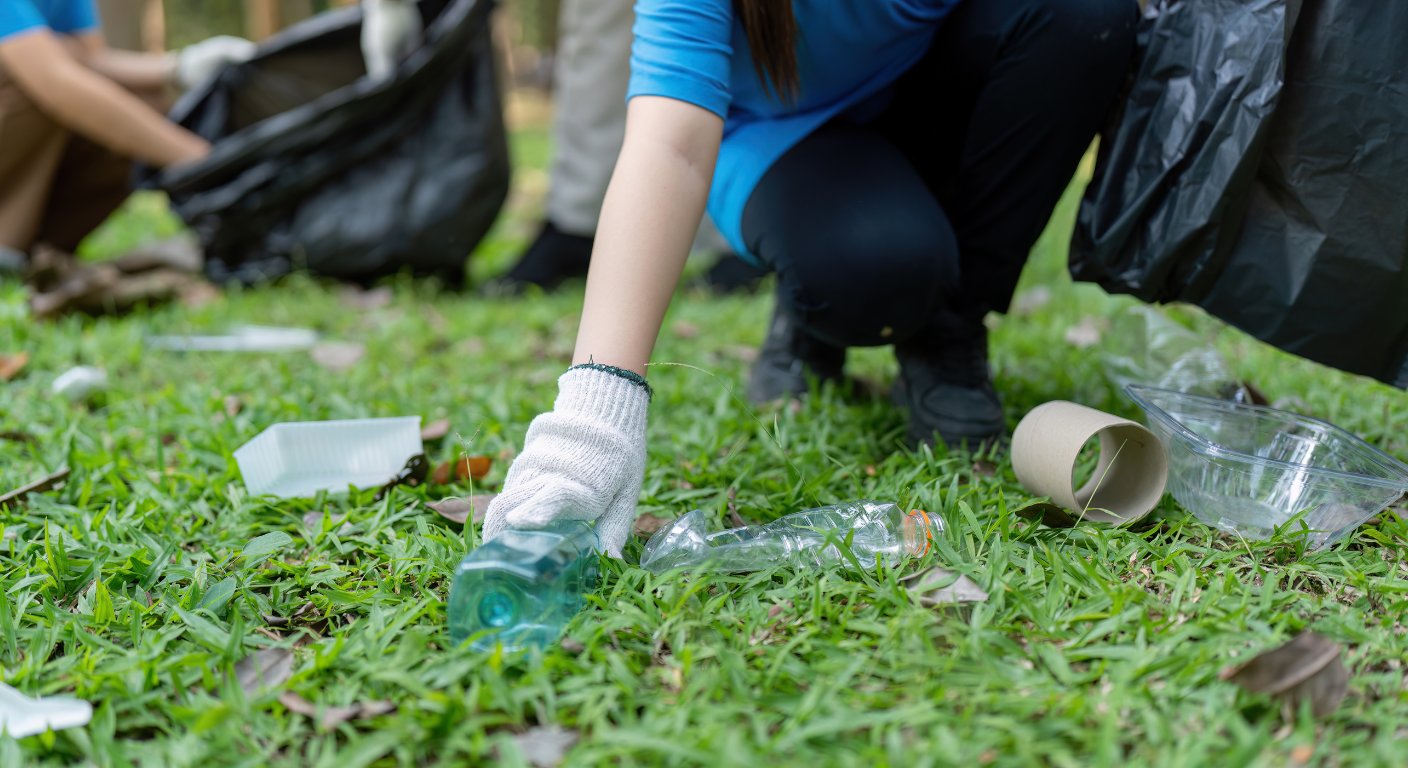
Benefits:
- Less water and air pollution
- Reduced packaging waste
- Fewer toxins entering ecosystems
Watch Out For: Greenwashing and vague claims—demand full ingredient disclosure.
Common Certifications to Look For
- EPA Safer Choice
- Green Seal
- EcoLogo
- Leaping Bunny (cruelty-free)
Cost Comparison: Are They Worth the Price?

- Green = pricier due to sustainable sourcing
- Traditional = cheaper and more available
Consider: Health savings, durability, and values-driven shopping.
DIY Green Cleaning: Effective or Not?

Popular Options:
- Vinegar & baking soda
- Lemon juice
- Castile soap
Pros: Cheap, easy, customizable
Cons: Not disinfectants; may harm sensitive surfaces
Final Thoughts: Making the Right Choice for Your Home
Green cleaning offers real benefits—but only when done mindfully. Balance is key: choose certified products, read labels, and know when traditional cleaners might be necessary. Smart, conscious cleaning benefits your home, your health, and the planet.